-
Storage
Caring for the Objects We Don’t Always See
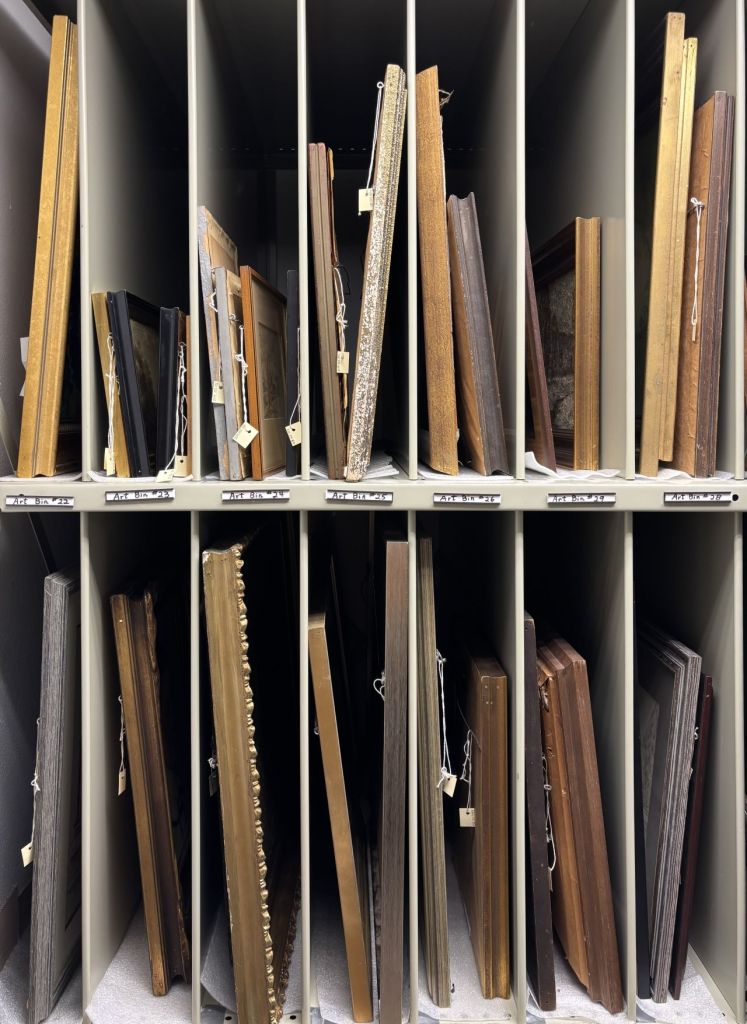
Storage may not seem like the most glamorous part of museum or archival work, but it’s where most collections actually live. With only a small percentage of objects on display at any given time, storage spaces hold rare artifacts, archival materials, and future exhibition ideas—quietly relying on us for their long-term care.
Thoughtful collections storage plays a critical role in preservation. Every artifact has its own needs based on materials, condition, and use. Proper housing, stable enviornmental conditions, and archival-quality storage materials help slow deterioration, reduce handling risks, and extend the life of collections.
Good storage doesn’t always require large-scale renovations or expensive equipment. Often, meaningful improvements come from targeted, practical changes: replacing won or acidic boxes, adding padded supports, improving labeling, or rehousing fragile objects to better suit their shape and condition. These incremental upgrades can significantly reduce stress on objects and make collections safer and easier to manage.
Effective storage also supports access and institutional sustainability. When objects are well housed and logically arranged, staff and researchers can locate materials more efficiently, collections are handled less frequently, and future exhibition planning becomes easier.
Caring for what’s in storage is ultimately caring for the future of the institution. Strong storage systems protect collections today while ensuring they remain available for research, interpretation, and public engagement tomorrow.
If you’re thinking about improving your collection storage or aren’t sure where to start, I’m always happy to talk through options!
Tags archival services, archival services Indiana, archival services Kentucky, archival services Midwest, archival storage, collections consulting, collections management, cultural heritage collections, fine art cataloging, historical collections, historical societies, museum archives, museum collections -
Cataloging & Processing
Making Collections Discoverable
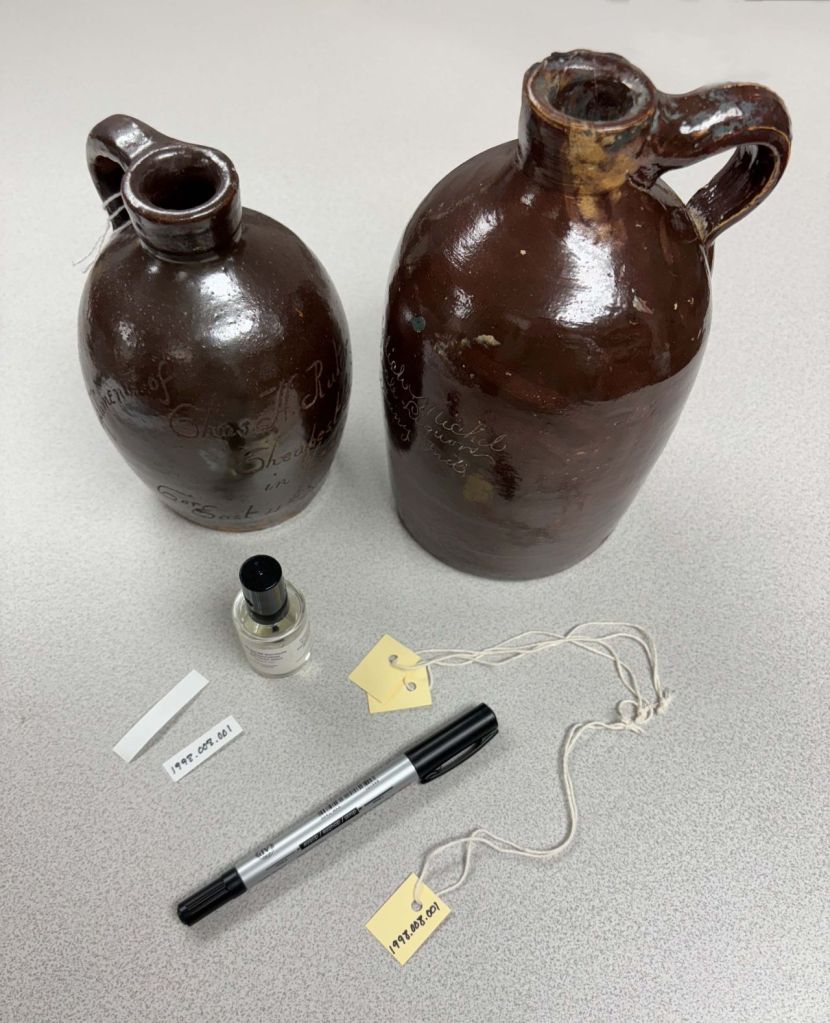
Cataloging and processing are the behind-the-scenes work that make archives, artifacts, and artwork discoverable. Without clear description, consistent labeling, and thoughtful organization, even the most important collections can remain hidden from view. These essential archival practices allow researchers, staff, and community members to navigate materials efficiently, responsibly, and with confidence.
Processing archival collections involves more than simply putting items in boxes. It includes arranging materials, describing their contents and context, and documenting how and why they were created. Cataloging extends this work across formats–fine art, artifacts, photographs, and digital materials–by creating structured records that make collections searchable and usable.
Together, cataloging and processing support both access and long-term preservation. By clearly documenting what exists, where it is located, and why it matters, organizations are better equipped to care for their collections, respond to research requests, plan exhibitions, and make informed decisions about conservation and digitization.
Through Kilberg Archival Services I regularly help organizations strengthen their collections documentation by:- Processing archival collections and creating clear, user-friendly finding aids
- Cataloging fine art, artifacts, photographs, and digital materials using professional standards
- Designing custom metadata schemas and controlled vocabularies that reflect your collections and connect them to your intended audience.
Whether you’re facing a significant processing backlog, building a cataloging system for the first time, or trying to clean up inconsistent or outdated records, thoughtful cataloging and processing will bring clarity and momentum to your work.
If you’re unsure how to tackle a backlog or want to improve how your collections are described and accessed, I’m always happy to talk through options!
Tags archival best practices, archival cataloging, archival processing, archival services, archival services Indiana, archival services Kentucky, archival services Midwest, backlog processing, collections consulting, collections management, cultural heritage collections, digital collections, finding aids, fine art cataloging, historical collections, metadata, metadata design, museum archives, museum cataloging, Ohio River Valley archives -
Archives Management
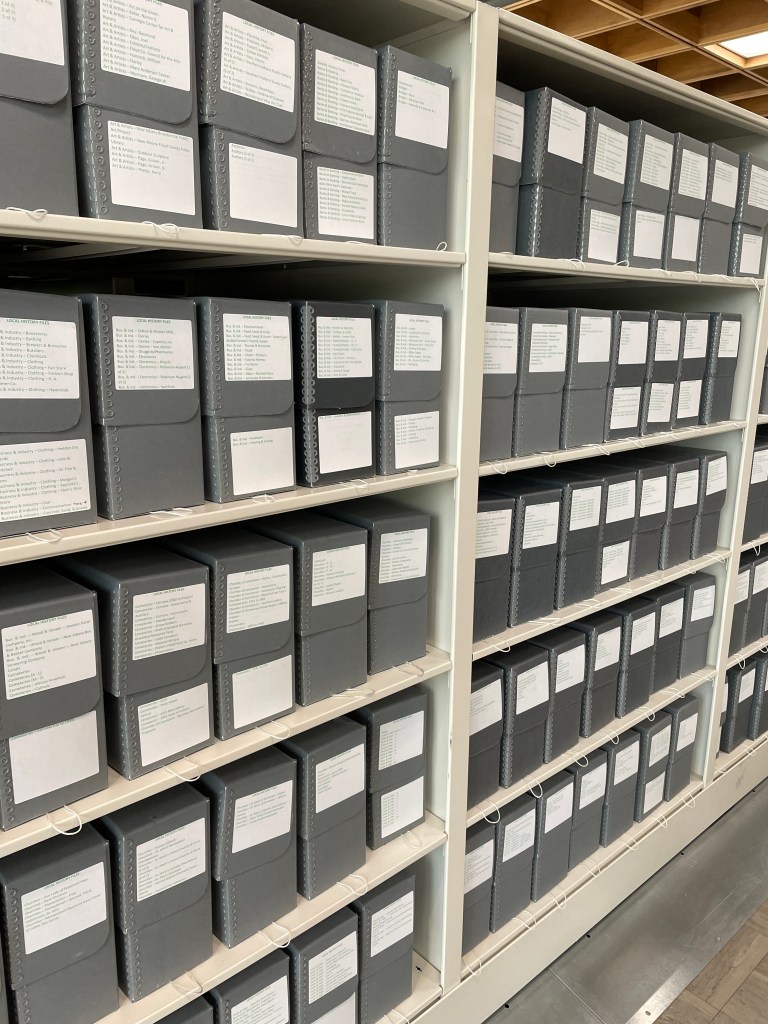
Archives Management: it’s what transforms a room full of records into a usable, meaningful collection. Without clear systems in place, valuable historical materials can become inaccessible, at risk of damage, or simply forgotten. For many museums, historical societies, and community organizations, archives management is also where support is needed most.
At its core, effective archives management creates the foundation for long-term preservation and public access. It ensures that records are organized, cared for properly, and available to support research, exhibitions, programming, and institutional memory.
Through Kilberg Archival Services, I help organizations strengthen thier archives programs by putting those foundations in place. My work focuses on practical, sustainable solutions tailored to each collection’s size, mission, and capacity, including:- Developing clear archives policies and procedures that guide decision-making and ensure consistency over time
- Establishing workflows for accessioning, arranging, describing, and stewarding collections
- Training staff and volunteers in archival best practices
- Creating disaster preparedness and emergency response plans to protect collections from unexpected events
Whether you’re starting an archive from scratch, working through decades of backlogged material, or simply want to improve how you manage the collections you care for, strong archives management will support long-term preservation and access. With the right systems in place, collections become easier to care for, easier to use, and better positioned to serve your community.
If you’re overwhelmed and unsure where to begin, you’re not alone. Thoughtful planning and incremental improvements can make a meaningful difference.
Have questions about archives management or want to talk through next steps for your organization? I’m always happy to talk!
-
What does an archivist do?
“What exactly does an archivist do?” It’s a common question I get, and an understandable one. Much of archival work happens quietly, behind the scenes, before records are digitized, exhibits are mounted, and histories are written.
Through Kilberg Archival Services, I help individuals and organizations preserve, organize, and make sense of the materials that document their history. These materials might include photographs, letters, business records, artwork, artifacts, textile, or institutional archives. While every project is different, the ultimate goal is the same: to ensure that historically significant materials are cared for properly and remain accessible for the future.
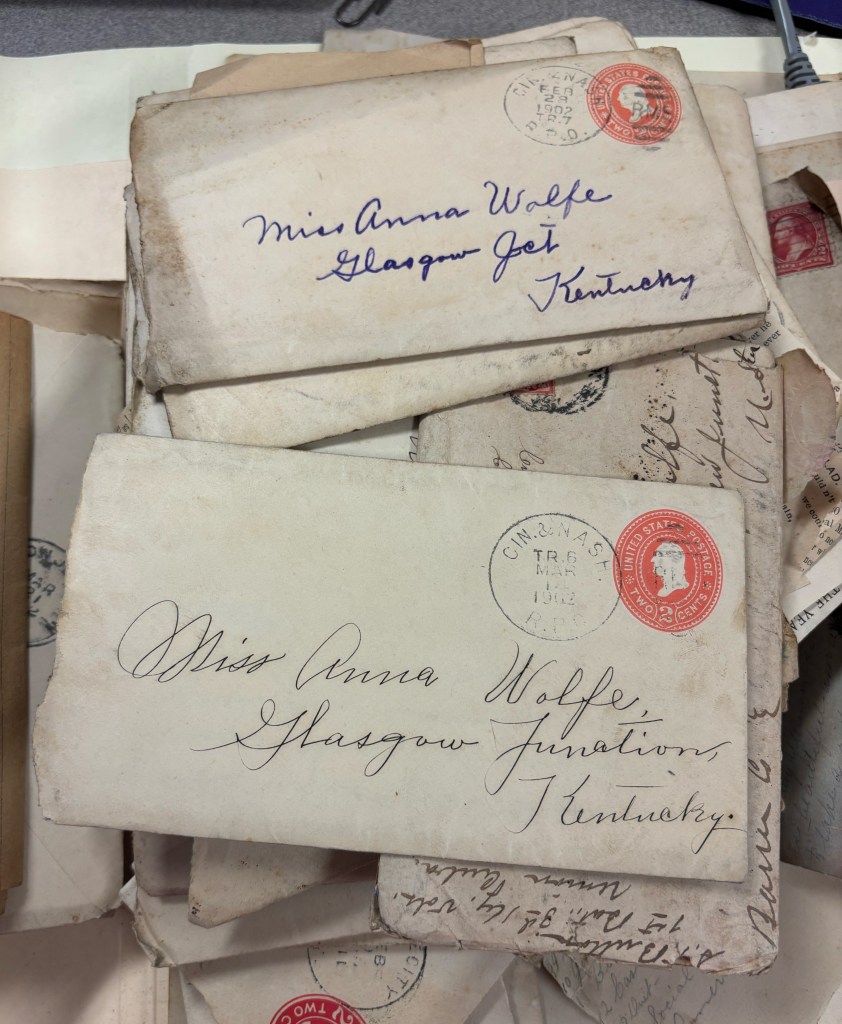
Archival Services for Individuals and Organizations
Kilberg Archival Services works with clients throughout Kentucky, Southern Indiana, the greater Midwest, and throughout the United States, supporting:
- Individuals and families with personal or family archives
- Small and mid-size museums and historical societies
- Libraries, cultural organizations, and nonprofit institutions
- Businesses with accumulated records or photographs
You don’t need a formal archive to get started. Many projects begin with boxes of old photographs, unsorted papers, or materials stored in less-than-ideal conditions.
How I Can Help
I offer a range of services, including:
- Archives management and organization
- Processing and cataloging archives, artwork, and artifacts
- Digitization of photos and scrapbooks
- Preservation and preventive conservation for fragile documents and objects
- Archival research for local history, family history, and historic properties
- Exhibition consulting and mountmaking
Thoughtful archival work protects physical materials and makes collections easier to use and interpret. Check back regularly to see detailed posts about specific services and recent projects!
Why Archival Work Matters
Archives connect us to our shared past. They support scholarship, exhibitions, community memory, and personal identity. Without proper care, however, many of these materials deteriorate or become effectively lost due to poor organization and lack of documentation.
My approach is practical, collaborative, and tailored to the scale and needs of each client. Whether you’re stewarding a museum collection, managing organizational records, or preserving family history, I’ll help you apply archival best practices to fit your resources and goals.
Follow Along
This blog will be a space to share stories from the field, highlight specific archival services, and offer insights into preservation, collections care, and historical research. Future posts will explore real-world projects, common archival challenges, and ways to make archives more accessible and sustainable.
If you’re curious about your own materials, or wondering where to begin, I invite you to contact Kilberg Archival Services to learn how I can help preserve your history for generations to come.
Tags: archival processing, archival research, archival storage, archives, cataloging, collections management, digitization, exhibitions, family history, local history, mountmaking, museums, preservation
 Kilberg Archival Services