Caring for the Objects We Don’t Always See
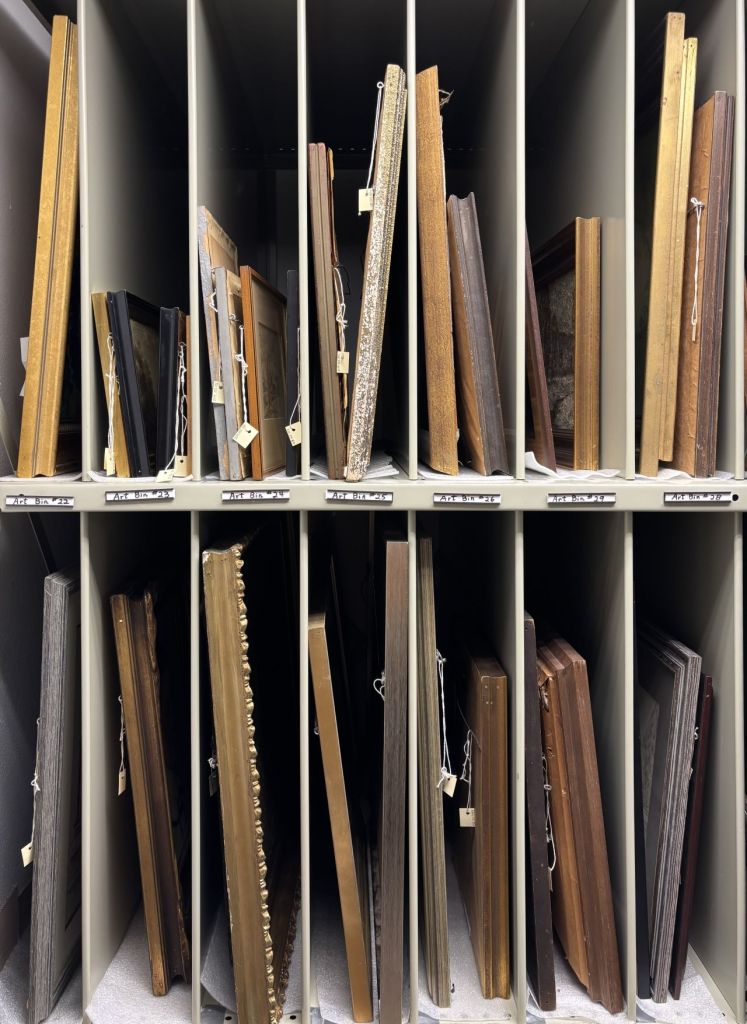
Storage may not seem like the most glamorous part of museum or archival work, but it’s where most collections actually live. With only a small percentage of objects on display at any given time, storage spaces hold rare artifacts, archival materials, and future exhibition ideas—quietly relying on us for their long-term care.
Thoughtful collections storage plays a critical role in preservation. Every artifact has its own needs based on materials, condition, and use. Proper housing, stable enviornmental conditions, and archival-quality storage materials help slow deterioration, reduce handling risks, and extend the life of collections.
Good storage doesn’t always require large-scale renovations or expensive equipment. Often, meaningful improvements come from targeted, practical changes: replacing won or acidic boxes, adding padded supports, improving labeling, or rehousing fragile objects to better suit their shape and condition. These incremental upgrades can significantly reduce stress on objects and make collections safer and easier to manage.
Effective storage also supports access and institutional sustainability. When objects are well housed and logically arranged, staff and researchers can locate materials more efficiently, collections are handled less frequently, and future exhibition planning becomes easier.
Caring for what’s in storage is ultimately caring for the future of the institution. Strong storage systems protect collections today while ensuring they remain available for research, interpretation, and public engagement tomorrow.
If you’re thinking about improving your collection storage or aren’t sure where to start, I’m always happy to talk through options!
 Kilberg Archival Services