Making Collections Discoverable
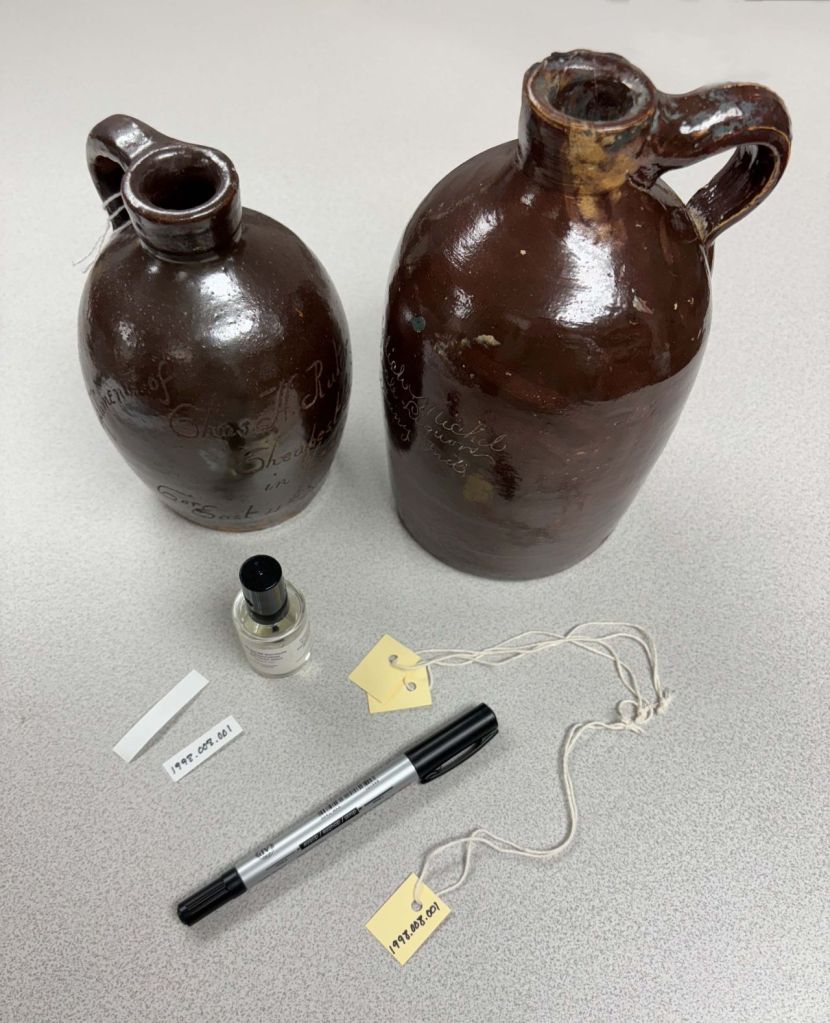
Cataloging and processing are the behind-the-scenes work that make archives, artifacts, and artwork discoverable. Without clear description, consistent labeling, and thoughtful organization, even the most important collections can remain hidden from view. These essential archival practices allow researchers, staff, and community members to navigate materials efficiently, responsibly, and with confidence.
Processing archival collections involves more than simply putting items in boxes. It includes arranging materials, describing their contents and context, and documenting how and why they were created. Cataloging extends this work across formats–fine art, artifacts, photographs, and digital materials–by creating structured records that make collections searchable and usable.
Together, cataloging and processing support both access and long-term preservation. By clearly documenting what exists, where it is located, and why it matters, organizations are better equipped to care for their collections, respond to research requests, plan exhibitions, and make informed decisions about conservation and digitization.
Through Kilberg Archival Services I regularly help organizations strengthen their collections documentation by:
- Processing archival collections and creating clear, user-friendly finding aids
- Cataloging fine art, artifacts, photographs, and digital materials using professional standards
- Designing custom metadata schemas and controlled vocabularies that reflect your collections and connect them to your intended audience.
Whether you’re facing a significant processing backlog, building a cataloging system for the first time, or trying to clean up inconsistent or outdated records, thoughtful cataloging and processing will bring clarity and momentum to your work.
If you’re unsure how to tackle a backlog or want to improve how your collections are described and accessed, I’m always happy to talk through options!
 Kilberg Archival Services